



|
Getting your Trinity Audio player ready...
|
Each year, Cannexus brings together Canada’s career development community to exchange ideas, research and practices. But what happens when attending the conference is not an individual experience, but a collective one?
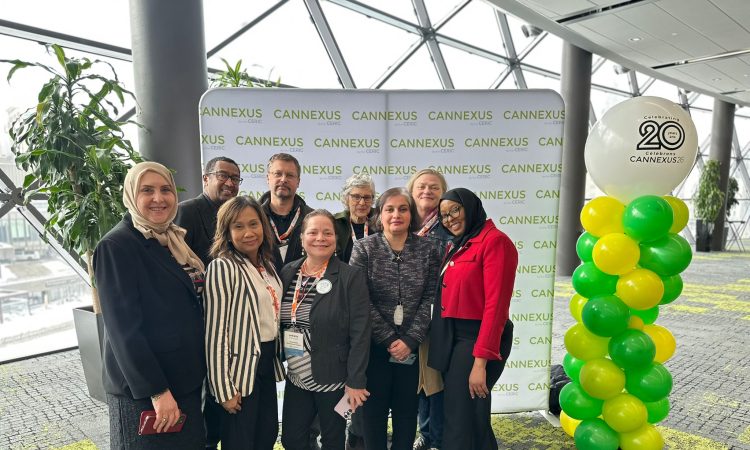
In 2026, World Skills Employment Centre took a different approach. Rather than sending one or two representatives, 19 staff members participated across the three-day conference. This decision reshaped how professional development was experienced and more importantly, how it was applied.
Rethinking access to professional learning
World Skills intentionally moved away from this model. By leveraging flexible access options, the organization made a conscious decision to broaden participation across teams. The goal was not only to build individual knowledge, but to create shared understanding across the organization, particularly important in a sector where staff support complex and evolving client needs.
For organizations working with newcomers, where labour market trends, policy environments and client realities shift rapidly, learning cannot remain siloed. It must be collective, continuous and embedded into practice.
In this sense, Cannexus became more than a conference. It became a shared reference point, a moment of alignment that continues to influence thinking and practice.
A learning context grounded in client reality
World Skills supports immigrants, refugees and newcomers as they navigate the Canadian labour market, often rebuilding careers from the ground up.
This work requires more than technical expertise. It demands ongoing learning in areas such as labour market trends, emerging technologies, mental health and culturally responsive service delivery. While the organization includes several Certified Career Development Practitioners (CCDPs), the decision to expand Cannexus participation meant that learning extended beyond designated specialists.
This broadened access created an important shift; insights from the conference were not confined to a particular group within the organization, rather, they became relevant across roles and influenced how teams think about service delivery, client engagement and program design.
What we heard and what stayed with us
While Cannexus offered a wide range of sessions, several themes resonated strongly across staff reflections.
The human core of career development emerged as a central thread. Staff were reminded that clients arrive at different stages of readiness, each with unique experiences and challenges. As one participant reflected, practitioners must “meet clients where they are,” recognizing the emotional realities that often accompany career transitions, including loss, uncertainty and rebuilding identity.
Another major theme was the evolving role of artificial intelligence in practice. Sessions highlighted both the opportunities and responsibilities associated with AI. Staff noted the importance of using these tools ethically and intentionally, ensuring that technology enhances, rather than replaces, human judgment. As one reflection put it, AI must “support human judgment rather than replacing it.”
The conference also reinforced the power of professional community. Engaging with practitioners from across Canada created space for shared learning, validation and exchange. For many, this was a reminder that while organizations may work in different contexts, they are connected by a common purpose.
Finally, themes of leadership, resilience and authenticity surfaced repeatedly. Conversations around compassionate service delivery, authentic leadership and maintaining hope in challenging environments resonated deeply with staff, especially now when the sector is navigating funding pressures and increasing labour market challenges.
When learning becomes organizational
What made this experience distinct was not only what was learned, but what happened afterward.
Because so many staff attended, conversations did not end when the conference closed. They continued in team meetings, informal discussions and program planning sessions. Staff reflected together on how insights could be applied, from refining client interactions to exploring new approaches to employer engagement and internal processes.
This created a ripple effect. Instead of a single perspective being shared back to the organization, multiple viewpoints surfaced. Staff were able to compare interpretations, challenge assumptions and build a more nuanced understanding of key themes. This collective reflection strengthened internal alignment and created greater buy-in for new ideas.
In this sense, Cannexus became more than a conference. It became a shared reference point, a moment of alignment that continues to influence thinking and practice.
When learning is experienced collectively, its impact extends far beyond the conference itself.
Why this matters for the sector
The experience raises an important consideration for the broader career development field.
Access to professional learning is not only about individual growth; it is about organizational capacity. When learning is shared widely, it has the potential to strengthen services, improve outcomes and foster innovation.
For organizations serving newcomers and other equity-deserving populations, this is particularly critical. The complexity of client needs requires teams that are informed, adaptable and aligned.
Investing in broader participation, even in small ways, can shift how knowledge is integrated into practice. It moves professional development from an individual benefit to a collective asset.
The Cannexus effect
Cannexus is often described as a space for learning and connection. For World Skills, it also became a catalyst for reflection, renewal and motivation.
Staff returned not only with new ideas, but with renewed energy, shared language and a stronger sense of purpose. The experience reinforced something fundamental: while tools, technologies and labour markets evolve, the core of career development remains deeply human.
When learning is experienced collectively, its impact extends far beyond the conference itself.
That is the Cannexus effect, not just what happens during the conference, but what continues long after.